





A 4KV surge rating handles the grid switching and motor-start spikes of a normal industrial supply; a 10KV rating is what you specify on poles and open yards in lightning-prone regions, backed by an external SPD. Surge protection is the cheapest line item in a lighting project and the most expensive one to skip: it is the difference between a driver that lasts ten years and a driver that dies in the first monsoon.
What the KV rating on a datasheet actually means
The surge rating of an LED fixture is its immunity to a defined voltage spike, tested under IEC 61000-4-5 with a 1.2/50 μs open-circuit voltage and 8/20 μs short-circuit current combination wave. The rating describes the fixture’s built-in clamping — mostly inside the driver — not a device you can see. Two fixtures with the same IP65 rating can differ by a factor of five in surge immunity, which is why the KV figure belongs on every outdoor quotation.
| Common rating | Test basis | What it realistically survives |
|---|---|---|
| 1–2 KV | IEC 61000-4-5, low class | Clean indoor supplies, office grids |
| 2.5 KV | IEC 61000-4-5 | Indoor/outdoor sealed fittings on stable grids; damp industrial interiors |
| 4 KV | IEC 61000-4-5 | Outdoor flood lights on mixed industrial supplies: motor starts, switching transients, moderate lightning exposure |
| 10 KV | IEC 61000-4-5, high class | Pole-mounted and high-mast fixtures in lightning-prone regions; long cable runs between fixture and breaker |
| 10 KV + external SPD (20 KV class) | EN 61643-11 Type 2 (or Type 1) SPD at the distribution board | High-isokeraunic areas, mountain and coastal sites, generator-fed yards |
Surge ratings across the LOWCLED range
Surge immunity is specified per series, and the differences are deliberate: a tri-proof batten inside a factory faces a different electrical environment than a flood light on a 12-metre pole in a monsoon region.
| Series | Surge rating | Where it is the right choice |
|---|---|---|
| Tri-proof TP-EX (Ex-rated) | 2.5 KV | Hazardous-location interiors with their own distribution quality |
| Tri-proof TP-T80 (IP69K) | 2.5 KV | Wash-down bays, food plants on stable supplies |
| MX flood light | 4 KV | Yards, car parks, facades, logistics premises on normal grids |
| Stadium PF and PX series | 10 KV standard; 20 KV SPD option | Open venues and high masts where every strike nearby is felt on the supply |
For the flagship 4M high-mast and 200W–2000W flood range, surge protection is configured per project — the higher the mast and the longer the cabling, the more the external SPD matters.
Where the built-in rating ends and the SPD begins
Built-in clamping handles what arrives after the switchboard. A direct or nearby lightning strike pushes orders of magnitude more energy through the incoming line than any driver can absorb, so the standard architecture is layered:
| Layer | Device | Standard | Position |
|---|---|---|---|
| 1. Service entrance | Type 1 SPD (lightning current arrester) | EN 61643-11 | Main distribution board, buildings with external lightning protection |
| 2. Sub-board | Type 2 SPD (surge arrester) | EN 61643-11 | Sub-distribution feeding outdoor circuits |
| 3. Fixture | Built-in surge protection (4–10 KV) | IEC 61000-4-5 | Inside every LOWCLED outdoor fixture |
On a normal urban site, layers 2 and 3 are sufficient. On a high-mast stadium, an open port yard or a hilltop car park in a high thunderstorm-density region, add layer 1 and size the lighting circuit’s SPD to 20 KV class — which is exactly why the PF stadium series offers a 20 KV SPD option.
Lightning-prone environments: a selection matrix
| Site condition | Risk driver | Specification we recommend |
|---|---|---|
| High thunderstorm density (tropics, monsoon belt) | Ground flash density above the global average | 10 KV fixtures + Type 2 SPD at the lighting board |
| High masts and stadiums | Tall conductive structures, long cable drops | 10 KV standard, 20 KV SPD option, air terminal on the mast |
| Long cable runs (>100 m to the last fixture) | Induced voltage on the run | 4 KV minimum, SPD at both ends of long branches |
| Generator or mixed supplies | Switching transients, unregulated voltage | 4 KV+ fixtures, Type 2 SPD, surge-rated contactors |
| Coastal installations | Corrosion compounds every failure mode | IP66 bodies (FLU, MX), 4 KV+, salt-mist finish on request |
Two worked examples from real project types
A logistics yard with 24 flood lights on 10-metre poles. The fixtures are 100 metres of cable from the main board, the region sees forty thunderstorm days a year. Built-in 4 KV (our MX flood series) handles the daily transients; a Type 2 SPD at the lighting sub-board takes the induced events; the poles’ earthing is checked once and the spare drivers stay on the shelf. This layered setup is what the MX series’ 4 KV rating was designed around.
A regional stadium with four masts and 32 PF800 fixtures. Tall conductive masts in the open, broadcast cabling everywhere, and events that cannot tolerate a dark night. Here the stadium series’ 10 KV built-in rating is the baseline, the 20 KV SPD option is specified at the distribution level, and the mast lightning protection is a separate scope. The difference in cost between specifying 4 KV fixtures and doing it right is a rounding error against the cost of one cancelled event.
Note: for the stadium example above, the SPD option is ordered with the fixture specification — see the stadium series’ build table on the stadium light category page.
Common specification mistakes
Three errors account for most surge-related field failures. The first is trusting IP66 as a proxy for electrical robustness — sealing says nothing about clamping; a vapor-tight batten can be IP69K and still carry a modest 2.5 KV rating, which is exactly what our tri-proof series publishes for the T80. The second is mixing surge classes within one circuit: the weakest clamp on a shared line sets the ceiling for the whole run, so one cheap fitting can take out its neighbours. The third is skipping the SPD at the board because “the fixtures are 10 KV” — the fixture rating is the last line of defence, sized for what is left after the board-level device has done its work, not for the raw event.
Surge protection FAQ
What does a 4KV surge rating mean on a flood light?
It means the fixture was tested under IEC 61000-4-5 to withstand spikes up to 4 KV (open-circuit voltage, combination wave) without damage. That covers everyday transients from motor starts and grid switching, and moderate lightning-induced events on the supply side.
Is a 10KV rating enough for a stadium?
As a built-in rating, 10 KV is the high end of what drivers carry and is the standard on our PF and PX stadium series. For venues in high thunderstorm regions we additionally fit the 20 KV SPD option at the distribution board, because a nearby strike injects far more energy than any internal clamp can absorb.
Do I still need an external SPD if the fixtures are 10KV?
In lightning-prone areas or on long cable runs, yes. The SPD at the board intercepts the bulk of the event before it reaches the pole circuits. Think of the fixture rating as the last line of defence, not the only one.
Does surge protection protect against a direct lightning strike?
No fixture rating survives a direct strike. Direct-strike protection is a separate system: air terminal, down conductors and earthing per IEC 62305. The fixture’s KV rating and the SPD handle what is induced on the power lines.
What is the difference between surge rating and IP/IK rating?
IP protects against dust and water, IK against impact energy, and the KV figure against voltage spikes on the supply. They are independent: an IP66 IK10 fixture can still have a modest surge rating, so check all three on the datasheet.
Which LOWCLED series should I use in a lightning-prone region?
Stadium PF/PX with the 20 KV SPD option for masts and open venues; MX (4 KV) for yards and car parks with a Type 2 SPD at the board; IP66 FLU or MX bodies near the coast. Confirm the site’s ground flash density and we will size the layers accordingly.
Data sources: IEC 61000-4-5 (surge immunity test), EN 61643-11 (SPD classification Type 1/2/3), IEC 62305 (lightning protection system). Surge figures for TP-EX, TP-T80, MX, PF and PX series follow the specifications published on this site’s product pages.
Video: 5 Years warranty IP66 Waterproof UFO LED High Bay Light - LOWCLED
About this LED flood light
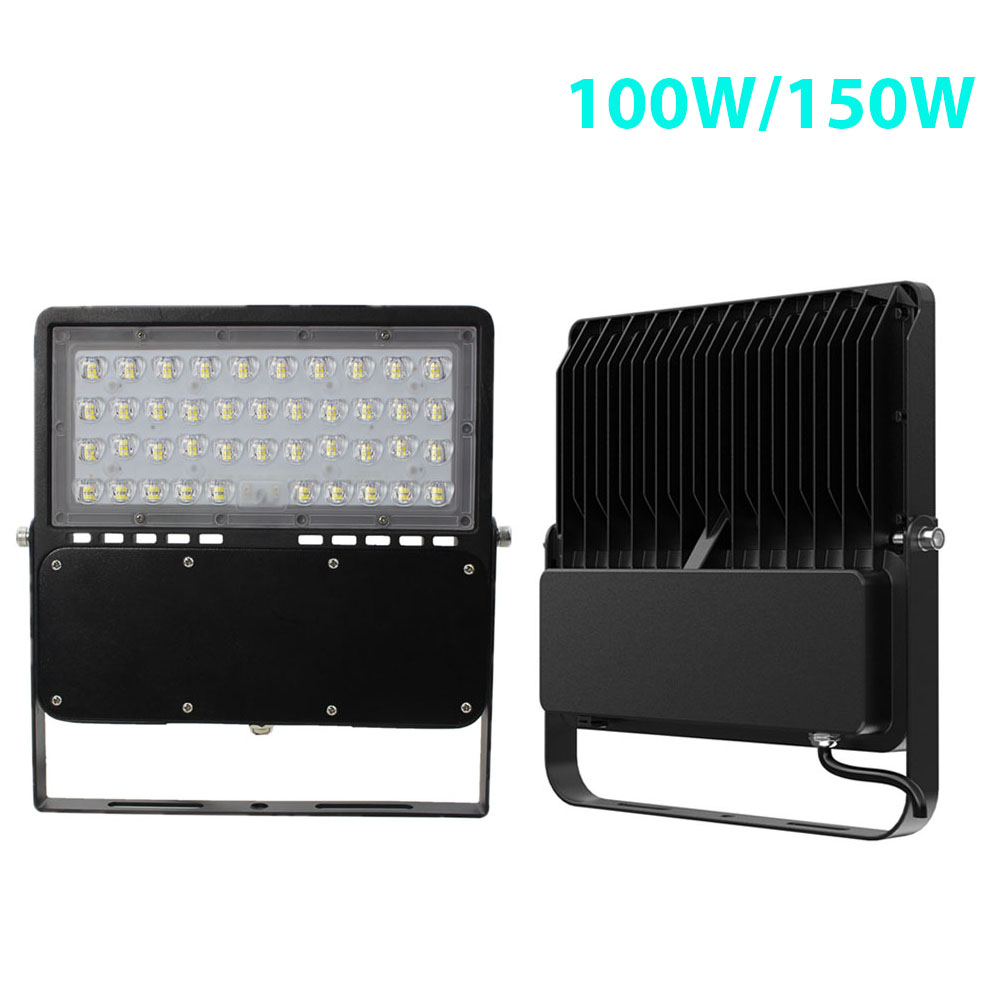
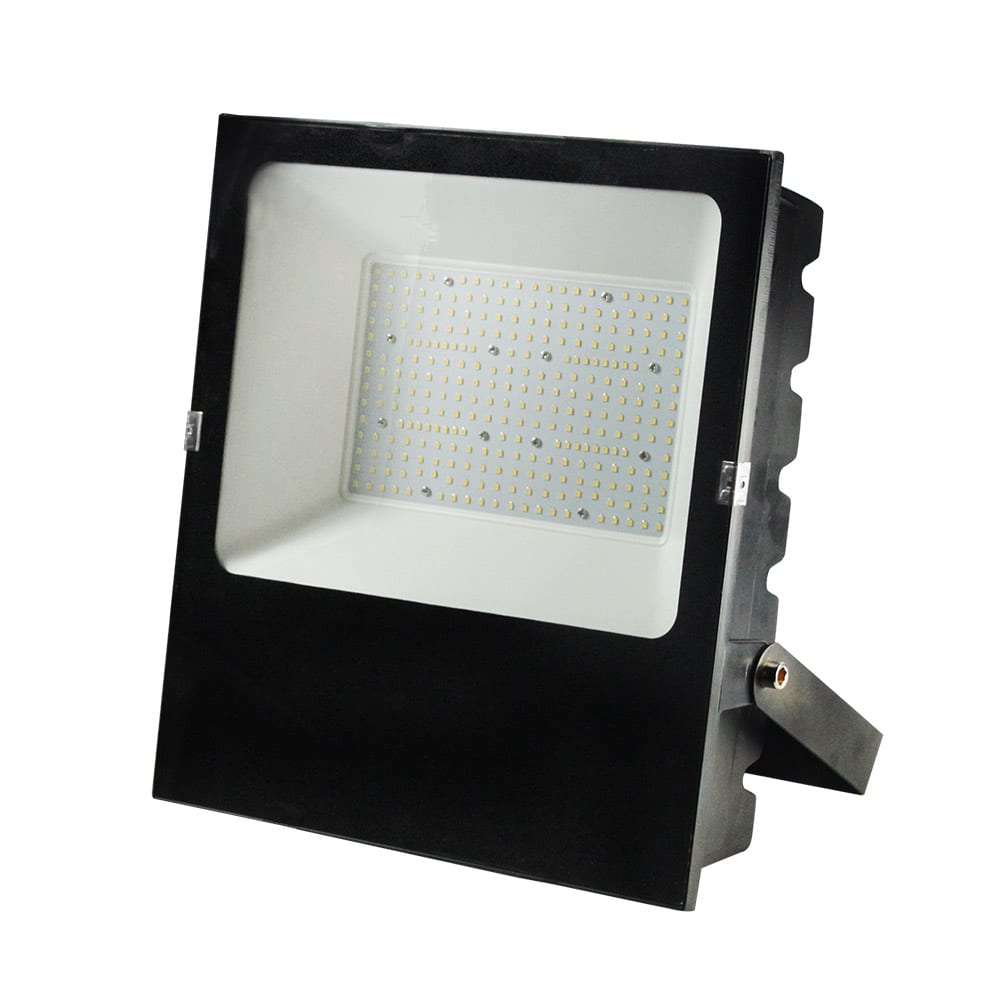
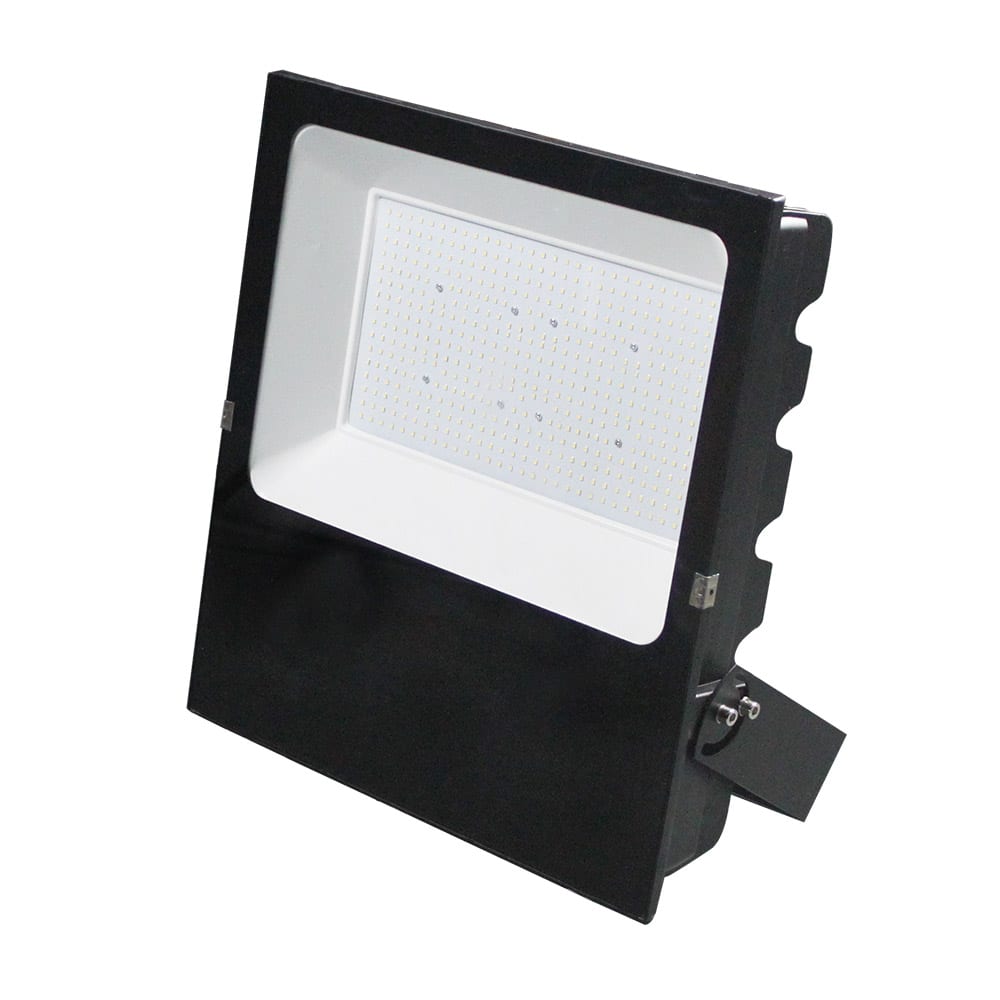
LOWCLED outdoor LED flood lights are built for building facades, billboards, gardens, car parks, sports courts and industrial yards. The 4A / 4S / FLU modular series covers 30W to 2000W with 100-120 degree beam angle, tempered glass lens and a die-cast aluminium heat sink that keeps the LED junction temperature low even in summer.
Every fixture passes a 24-hour aging test and an IP66 waterproof test before shipment. With 150 lm/W, 10KV surge protection and 5-7 years warranty options, they replace 250W-2000W metal halide lamps and cut power consumption by around 70%.
Related products from LOWCLED
LED Light Surge Protection: 4KV vs 10KV and SPD Selection Related Video:
Video: LED FLOOD LIGHT MACHINE GLUING PROCESS - LOWCLED
Good quality comes 1st; assistance is foremost; business enterprise is cooperation" is our business enterprise philosophy which is regularly observed and pursued by our company for Led Recessed Light, Led Shop Light, Led Outside Light, For anyone who is keen on any of our items right after you view our product list, you should definitely feel absolutely free to get in touch with us for inquiries. You are able to send us emails and contact us for consultation and we shall respond to you as soon as we can. If it's easy, you may locate out our address in our web-site and come to our business for far more information of our merchandise by your self. We're always ready to construct extended and steady co-operation relations with any possible customers in the related fields.