





DLC listing is what turns a LED fixture purchase into a utility rebate cheque in North America. The DesignLights Consortium Qualified Products List (DLC QPL) is the de-facto acceptance list for commercial lighting rebate programs in the United States and Canada: if the model number is not on the list, most utilities will not pay. LOWCLED supplies DLC listing data per model number across its AC-powered ranges (flood, high bay, shoebox, stadium, wall pack), together with the LM-80, TM-21 and IES documentation the application requires.
What the DLC actually checks
The DesignLights Consortium is a non-profit organisation that maintains the Qualified Products List used by utility and state rebate programs. The QPL is not a safety mark — CE, ETL and SAA cover safety — it is a performance bar: efficacy, light quality, lumen maintenance and thermal behaviour, all evidenced by standardised test reports.
| DLC requirement | Test standard behind it | What it proves |
|---|---|---|
| Photometric and electrical data | IES LM-79 | Measured lumens, efficacy, distribution and wattage of the actual luminaire |
| LED package lumen maintenance | IES LM-80 (minimum 6,000 h of testing) | How fast the LED itself degrades |
| Rated life projection | IES TM-21 | Projected L70 life calculated from the LM-80 data |
| Thermal verification | ISTMT (in-situ temperature measurement) | The LED runs cool enough inside the real housing to reach the projected life |
| Driver quality | DLC driver requirements | Named driver family, PF and THD limits |
This is why DLC-qualified products carry IES photometric files: the LM-63 file submitted for listing is the same file your lighting designer or DIALux/AGi32 model needs. Ask for it at quotation stage and you have the documentation trail half finished.
DLC Premium vs DLC Standard
The QPL has two tiers. Both qualify for rebates in most programs; Premium typically unlocks a larger rebate or access to extra programs.
| Tier | What it means | Typical rebate situation |
|---|---|---|
| DLC Standard | Meets the base efficacy and quality requirements for its product category | Standard commercial rebate, the most common case |
| DLC Premium | Higher efficacy bar plus additional controls/quality requirements for the category | Larger rebate or premium-only programs; often required for new-construction streams |
The exact efficacy thresholds are set per product category and updated with each DLC version. Always read the thresholds from the DLC version your utility references in its program terms, not from an older quotation document.
How a rebate application actually runs
| Step | Action | Document involved |
|---|---|---|
| 1. Qualify the model | Find the exact model number on the DLC QPL and record the DLC Product ID | QPL listing page, DLC number |
| 2. Confirm program rules | Check your utility’s rebate schedule: prescriptive (per fixture) or custom (per kWh saved) | Program terms, application form |
| 3. Reserve / pre-approve | Some utilities require pre-approval before purchase; custom programs almost always do | Pre-approval application, fixture count, scope |
| 4. Purchase and install | Buy the listed model — the DLC number must match what is installed, not just the range | Invoices with model numbers |
| 5. Post-inspection | Utility verifies installed fixtures against the application | Photos, inspection visit, commissioning sheet |
| 6. Payment | Rebate paid after verification | Final claim |
The two steps that sink applications are step 1 and step 4: ordering a sibling wattage that is not itself listed, or substituting a non-listed model during procurement. Treat the DLC number like a part number.
Where DLC fits among the certificates we supply
LOWCLED fixtures ship with CE, RoHS, SASO, ETL and SAA certification as standard across the ranges, with DLC listing data supplied per model number. Two practical rules from our export experience: first, DLC is granted per model number, not per range — a listed 100W UFO does not make the 200W variant listed; second, off-grid solar products sit outside DLC’s scope entirely, which is why the solar street range carries its certification on the AC variants instead.
| Range | DLC | Note |
|---|---|---|
| LED flood lights (4S, MX, 4M) | Per model number on request | Ask for the DLC ID with the quotation; IES files accompany listed models |
| UFO and linear high bays | Per model number on request | DLC is granted per model, not per range — quote the exact wattage |
| Shoebox area lights | Per model number on request | The most commonly rebated category in parking lot programs |
| Stadium lights (PF, PX series) | Per model number on request | Custom programs evaluate kWh saving per event schedule |
| Solar street lights | ETL and DLC apply to the AC ranges only | Off-grid solar products are outside DLC’s grid-powered scope; rebates there follow different programs |
Reading a QPL entry before you rely on it
A model can be on the QPL and still fail your project in practice, so read the listing the way an auditor would. Check four fields. The qualified wattage and driver variant must match what you are buying — listings name the exact driver family, and substituting a driver voids the listing. The listed efficacy is measured at a defined input voltage; a fixture that meets the bar at 277V may sit closer to the line at 120V. The gross volume and shipping configuration matter for prescriptive rebates that pay per unit installed. And the certificate date tells you which DLC version the listing belongs to — utilities migrate to new versions on a published schedule, and a model that misses the migration window needs re-testing.
Buyers running multi-site rollouts should also confirm the listing covers every wattage in the bill of materials. The most frequent failure we see is a tidy 90% of the order being listed models and the last 10% — usually the wall packs — quietly non-listed, which caps the rebate at the utility’s discretion. Send us the fixture list and we return the DLC status of each model with the quotation, before the order is placed rather than after.
How DLC interacts with photometric design
The documentation trail and the design workflow use the same files. The LM-63 IES photometric file submitted for listing is the file your lighting consultant drops into DIALux, AGi32 or Relux to produce the layout the utility may ask to see. LM-80 and TM-21 data back the rated-life claim on the warranty sheet. ISTMT reports confirm the thermal design — which is what stops a fixture that tests well on the bench from failing in a sealed housing on a July roof. In other words, the DLC process is not a separate bureaucracy; it is the same evidence a serious industrial buyer should demand anyway, gathered under one label. Ask for it once, keep it with the project file, and it will answer tenders in every market, not just North America.
Does DLC matter outside North America?
Briefly: no. Rebate-style programs in Europe, the Middle East and Asia-Pacific do not use the QPL. What travels globally from the same documentation set is the quality evidence behind it — LM-80/TM-21 data, IES files and ISTMT reports support tenders in Saudi Arabia (SASO), Australia (SAA) and EU Ecodesign compliance conversations alike. Middle Eastern tenders commonly ask for SASO plus the LM-79 report; Australian projects ask for SAA plus photometrics. The tests are the same ones DLC already required, so a DLC-qualified model is usually the fastest to document for any market.
DLC and rebate FAQ
What is the DLC Qualified Products List?
A public list of LED luminaires that have passed the DesignLights Consortium’s performance requirements, maintained at designlights.org. Utility rebate programs in the US and Canada use it as the acceptance list for commercial lighting rebates.
Do I need DLC listing to get a rebate?
For almost every commercial prescriptive rebate in North America, yes. The installed fixture’s model number must appear on the QPL. Custom rebate programs can sometimes accept non-listed equipment, but the application burden is much higher and pre-approval is required.
What is the difference between DLC Premium and DLC Standard?
Both are listed; Premium clears a higher efficacy and quality bar for the same product category. Many utilities pay a larger rebate for Premium models, and some new-construction programs require them. Check which tier your program references before ordering.
Is DLC required outside the US and Canada?
No. It is a North American rebate mechanism. Elsewhere the same test reports (LM-80, TM-21, LM-79, ISTMT) support tenders, but no QPL submission is involved.
How do I find a model’s DLC number?
Search the model number at designlights.org, or ask us for the DLC Product ID with the quotation. The number is tied to the exact model — wattage, optic and driver variants each carry their own listing.
Does one DLC listing cover a whole product range?
No. DLC lists per model number. A 100W model being listed does not cover the 200W variant. When you quote the project, list the exact wattages and we return the DLC status of each.
Data sources: DesignLights Consortium QPL program requirements (designlights.org); IES LM-79, LM-80 and TM-21 test standards; IES LM-63 photometric data format. LOWCLED certification claims follow the certificate list published on this site’s certificate page; DLC availability is per model number and confirmed with the quotation.
Video: 150lm/w led shoebox light - LOWCLED
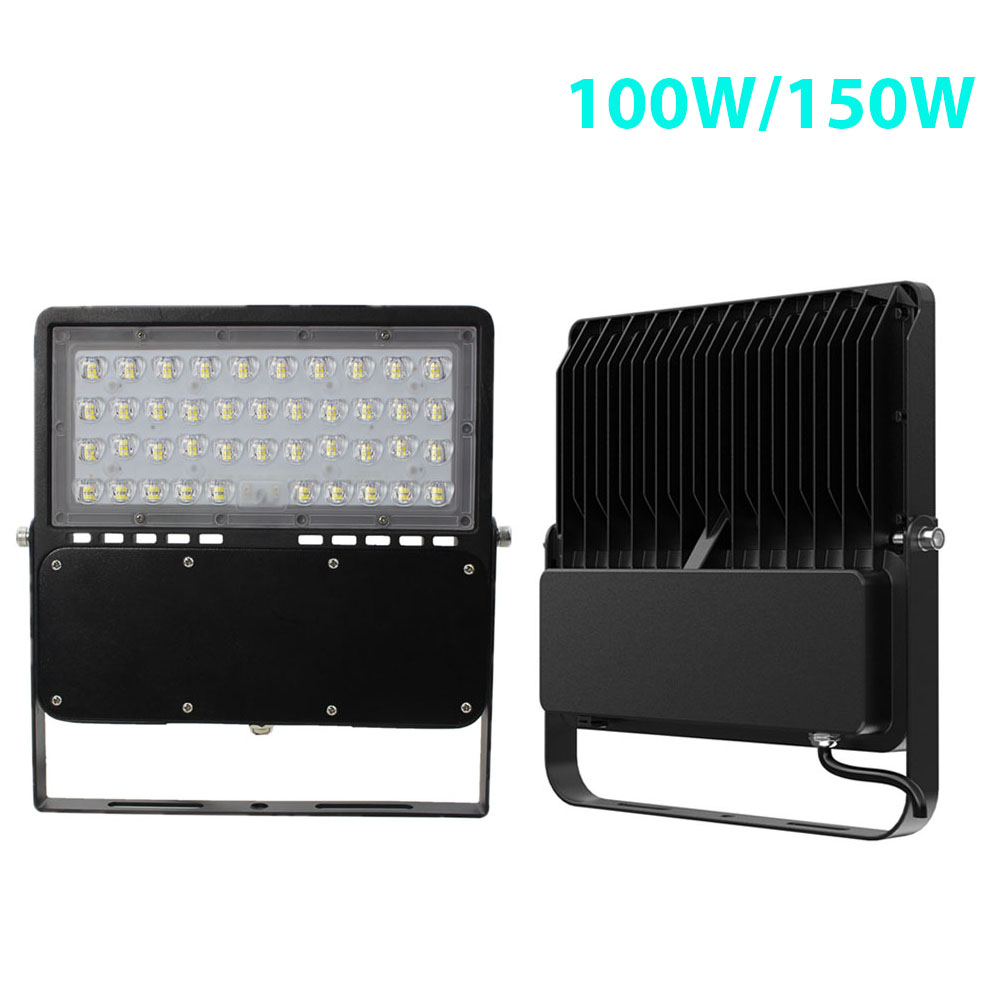
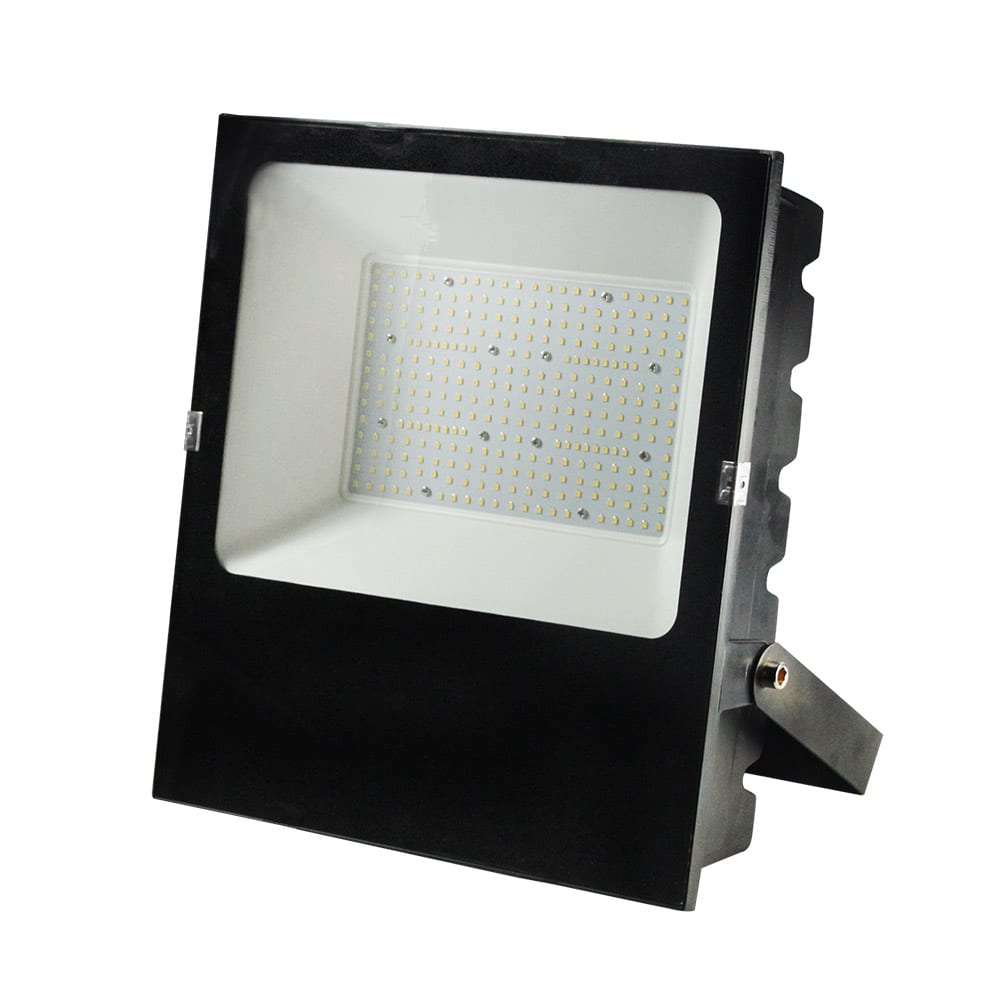
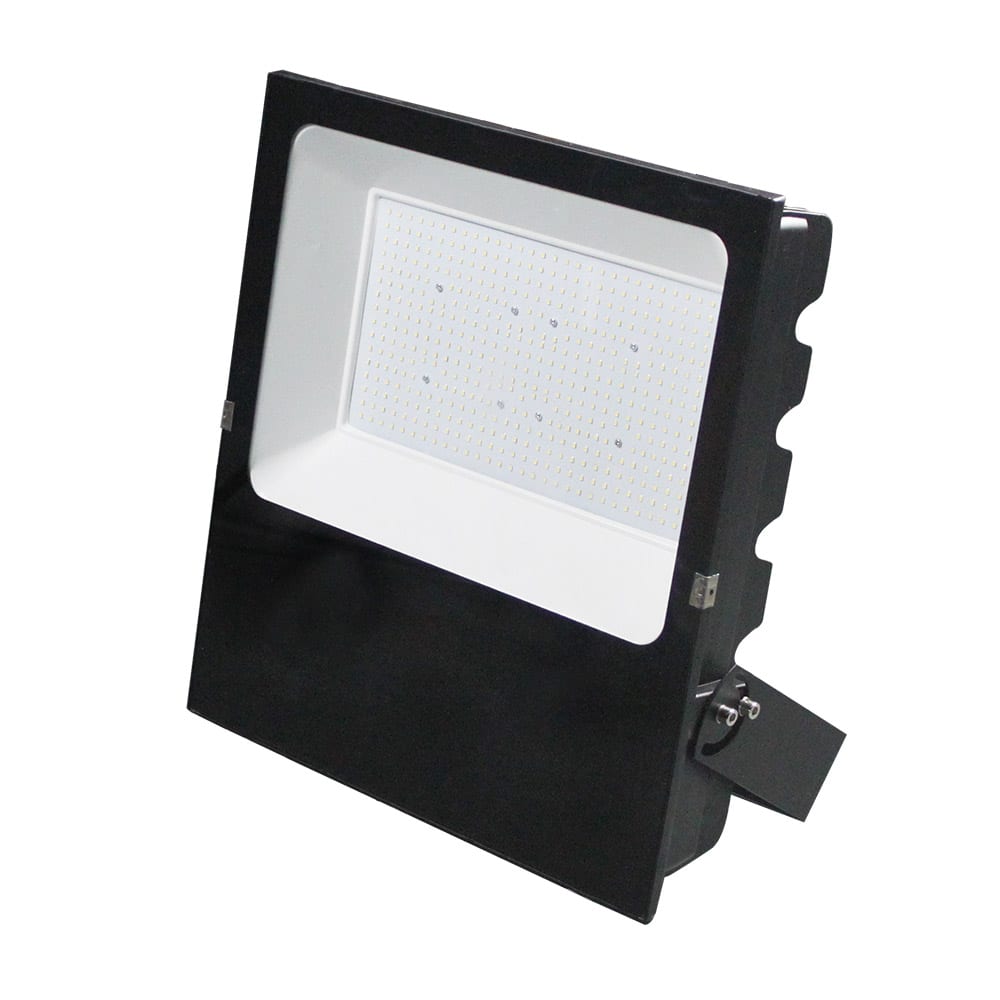
About this LED flood light
LOWCLED outdoor LED flood lights are built for building facades, billboards, gardens, car parks, sports courts and industrial yards. The 4A / 4S / FLU modular series covers 30W to 2000W with 100-120 degree beam angle, tempered glass lens and a die-cast aluminium heat sink that keeps the LED junction temperature low even in summer.
Every fixture passes a 24-hour aging test and an IP66 waterproof test before shipment. With 150 lm/W, 10KV surge protection and 5-7 years warranty options, they replace 250W-2000W metal halide lamps and cut power consumption by around 70%.
Related products from LOWCLED
DLC Certification for LED Lighting: QPL and Utility Rebates Related Video:
Video: 5 Years warranty IP66 Waterproof UFO LED High Bay Light - LOWCLED
We usually perform being a tangible workforce making sure that we will give you the most beneficial excellent plus the finest selling price for Led Grow Lighting, Petrol Station Light, Solar Products, With the goal of "zero defect". To care for the environment, and social returns, care employee social responsibility as own duty. We welcome friends from all over the world to visit and guide us so that we can achieve the win-win goal together.