




When picking an IP rating for outdoor LED lights, it really comes down to one question: will the fixture get hit directly by high-pressure water? If yes, go IP66. If it’s just normal rain with some shelter, IP65 is enough. Both ratings are completely dust-tight — the only difference is how much water pressure they can take.
The Core Difference: How Much Water Pressure It Can Handle
-
IP65: Protected against water jets. Tested with a 6.3mm nozzle at 12.5 liters per minute and 30 kPa pressure for at least 15 minutes. Roughly equivalent to heavy rain or a gentle hose spray.
-
IP66: Protected against powerful water jets. Tested with a 12.5mm nozzle at 100 liters per minute and 100 kPa pressure for at least 3 minutes. That’s like a pressure washer or a violent storm driving rain straight into the fixture.
How to Choose
Go with IP65 if:
-
The light sits under an eave, canopy, or some kind of cover — it gets rained on but not blasted
-
Typical residential, community, or commercial settings: garden lights, pathway lights, facade lighting
-
Budget matters and standard weather protection is enough
Go with IP66 if:
-
The fixture is fully exposed — open walls, poles, bridges, no cover at all — especially in rainy regions or coastal areas with wind-driven rain
-
It needs frequent cleaning, like in industrial zones, along roads, or commercial spaces where maintenance involves pressure washing or steam cleaning
-
Reliability is critical. Data from coastal areas shows IP66 fixtures had a 7.9% failure rate over three years, versus 14.7% for IP65 — a big gap
A Few Things Easy to Overlook
-
IP rating isn’t everything. A high rating won’t save a fixture with bad materials. For outdoor LED lighting, also check UV resistance (plastic housings crack as they age) and corrosion resistance (salt spray in coastal areas is brutal). You can browse outdoor lighting options with different IP ratings at www.lowcled.com.
-
Installation matters just as much. An IP66 light will still take on water if the cable gland isn’t tightened or the seal is installed crooked. The entry point has to be sealed properly.
-
Neither rating is for submersion. Lights for fountains or ponds need IP67 or IP68.
Bottom line: For normal outdoor environments with some basic cover, IP65 does the job. For full exposure, harsh weather, or high-pressure washing, go straight to IP66. For more outdoor LED lighting options, visit www.lowcled.com.
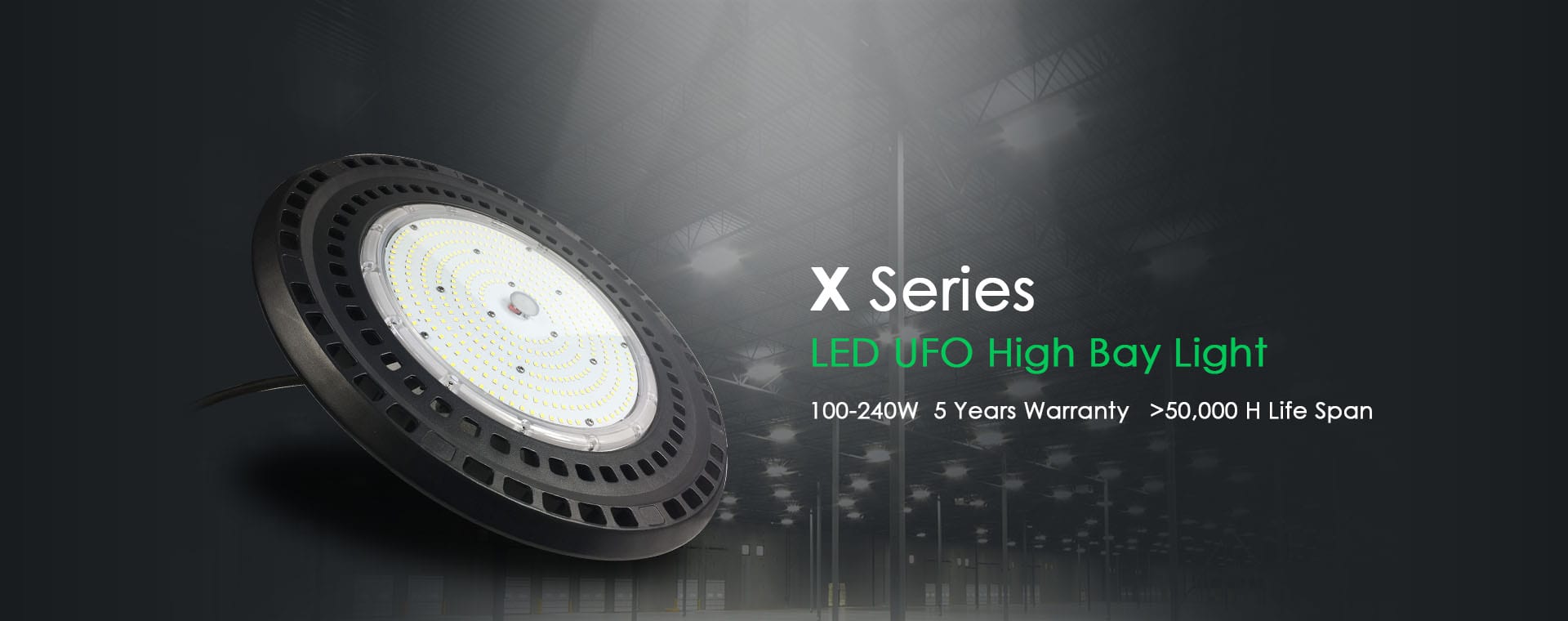
Video: 5 Years warranty IP66 Waterproof UFO LED High Bay Light - LOWCLED
About this LED flood light
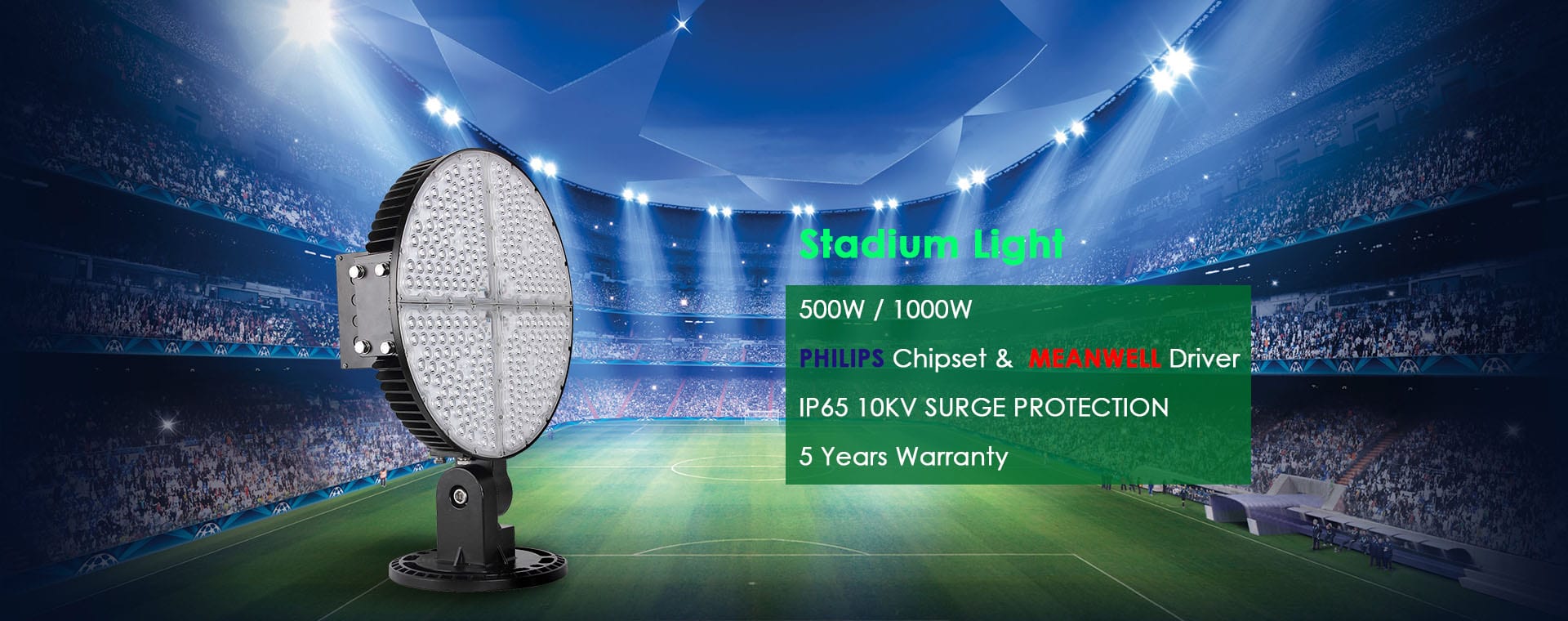
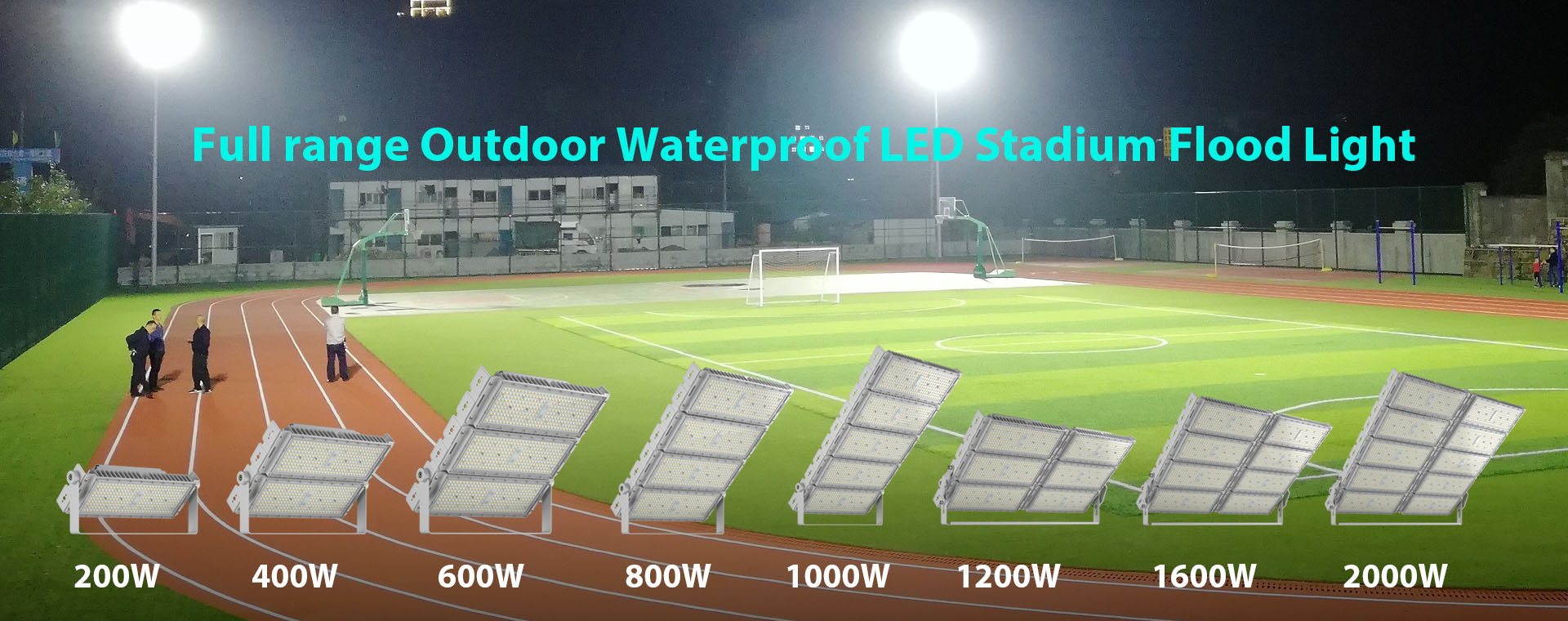
LOWCLED outdoor LED flood lights are built for building facades, billboards, gardens, car parks, sports courts and industrial yards. The 4A / 4S / FLU modular series covers 30W to 2000W with 100-120 degree beam angle, tempered glass lens and a die-cast aluminium heat sink that keeps the LED junction temperature low even in summer.
Every fixture passes a 24-hour aging test and an IP66 waterproof test before shipment. With 150 lm/W, 10KV surge protection and 5-7 years warranty options, they replace 250W-2000W metal halide lamps and cut power consumption by around 70%.
Related products from LOWCLED


IP66 vs IP65: Choosing Ingress Protection for Outdoor LED Lighting Related Video:
Video: 150lm/w led shoebox light - LOWCLED
Sticking for the belief of "Creating items of top of the range and creating buddies with people today from all over the world", we normally put the interest of shoppers in the first place for Led Lights Fixture, Led Music Bulb, T8 Led Tube Light, We hope we can establish long-term cooperation with all of the customers. And hope we can improve competitiveness and achieve the win-win situation together with the customers. We sincerely welcome the customers from all over the world to contact us for anything you need!